How to Choose the Right Einstar 3D Scanner for Accurate and Reliable 3D Models

Discover how an Einstar 3D Scanner helps improve scanning accuracy, capture intricate details, and streamline 3D modeling workflows. Explore essential features, software compatibility, and practical tips for choosing the right scanning solution.
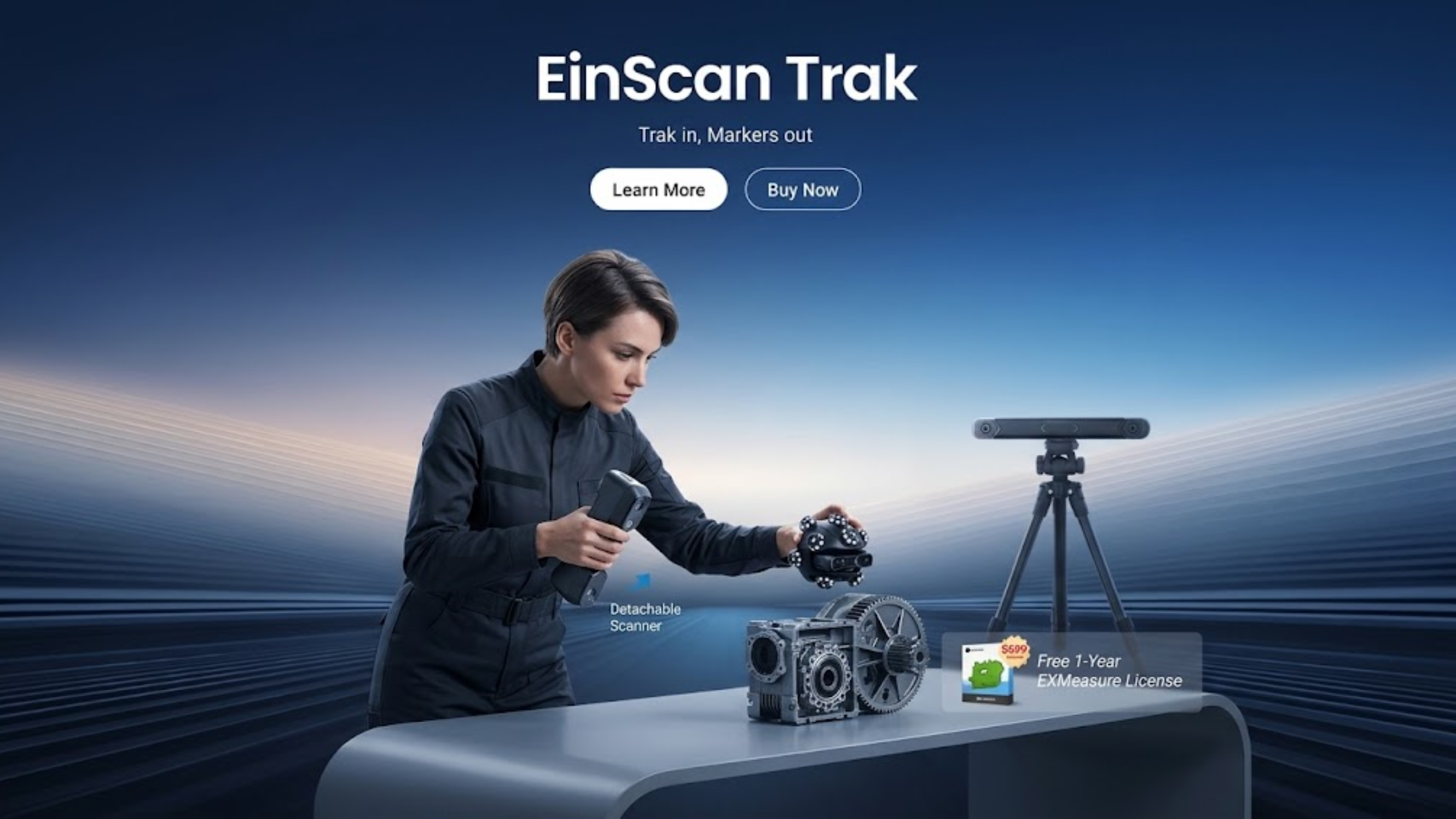
Creating accurate 3D models can become frustrating when measurements appear inconsistent or scanned details disappear. Consequently, these issues can waste time, increase production costs, and delay important projects. Fortunately, the right scanning workflow can simplify the process and improve results. Modern 3D Scanning Technology helps users capture physical objects and convert them into digital models. However, choosing suitable equipment requires careful evaluation of accuracy, usability, and project requirements. Whether you work in product design, engineering, manufacturing, or digital modeling, your scanner matters. Therefore, exploring Einstar US can help you learn more about 3D scanning solutions for your projects. Understanding common scanning challenges also helps you make informed purchasing decisions. Ultimately, the right approach can improve efficiency and deliver consistent results.
Why Do 3D Scanning Projects Often Produce Inaccurate Results?
Many users expect scanners to capture every object perfectly on their first attempt. However, several factors can affect digital model quality. Therefore, understanding these limitations helps you identify the right solution.
1. Complex Surfaces Create Scanning Difficulties
Objects with intricate shapes, narrow gaps, and fine details can challenge scanning equipment. Additionally, reflective, transparent, or very dark surfaces can produce inconsistent scanning results. Consequently, users may encounter missing sections, surface noise, or incomplete geometry. However, different scanners handle these surfaces differently. Therefore, evaluate your regularly scanned objects before selecting suitable equipment.
2. Poor Preparation Reduces Scanning Quality
Even advanced equipment cannot eliminate problems caused by poor preparation. However, dust, changing lighting conditions, and unstable object positioning can affect scanning performance. Additionally, users sometimes move scanners too quickly or overlook difficult areas. Consequently, these mistakes create gaps that require additional editing. As a result, projects often take longer than expected.
3. Software Limitations Complicate Model Processing
Capturing an object represents only one stage of the scanning process. Next, users must align scan data, remove unwanted points, and generate usable models. Furthermore, complicated software can make these tasks challenging for beginners. Therefore, evaluate the entire workflow instead of focusing solely on hardware specifications. Additionally, combining practical scanning equipment with processing software can simplify everyday tasks.
What Causes Poor Results When Using 3D Scanning Technology?
Therefore, identify the underlying causes to prevent recurring scanning errors. Instead of replacing equipment immediately, first evaluate your workflow and project requirements.
Incorrect Scanner Selection
Every scanner supports specific applications, object sizes, and accuracy requirements. Therefore, a scanner designed for large objects may struggle with tiny components. Meanwhile, equipment built for detailed scans may not suit every large-scale project. For this reason, compare scanning volume, supported features, accuracy specifications, and tracking capabilities. These factors help you determine whether a device meets your intended application requirements.
Insufficient Knowledge of Scanning Techniques
Users sometimes expect professional results without learning essential scanning techniques. However, scanner distance, movement speed, and object preparation directly affect captured data. Moreover, different materials often require different preparation methods. For example, some surfaces benefit from suitable scanning sprays, while others require alternative capture techniques. Therefore, always follow the manufacturer's instructions before applying treatments to valuable objects.
Unrealistic Expectations About Accuracy
Manufacturers report scanner performance using specific measurements and testing conditions. However, advertised accuracy does not guarantee identical results across every environment. Several factors affect practical performance, including object geometry, scanning distance, calibration, and environmental conditions. Therefore, evaluate specifications alongside independent testing and real-world application requirements.
How Can You Improve 3D Scanning Accuracy and Efficiency?
Moreover, you can improve scanning results by preparing properly, selecting suitable equipment, and following consistent methods. Consequently, these practical steps can also reduce unnecessary editing.
Prepare Objects Before Scanning
First, clean the object thoroughly and remove any loose dust or debris. Next, secure the object firmly to prevent unwanted movement during scanning. Additionally, optimize lighting when your scanner's operating requirements make lighting adjustments necessary. For reflective or transparent materials, consult the manufacturer's guidelines before scanning. Furthermore, some objects require specialized preparation or alternative scanning methods.
Choose Equipment Based on Your Project
Before purchasing a scanner, first identify your main applications and required output quality. For example, product designers may prioritize fine surface details and dimensional consistency. Conversely, artists may focus on capturing complex shapes for digital sculpting. Next, compare your requirements against available specifications. Also, evaluate scanning speed, portability, software compatibility, and supported export formats. Professional 3D Scanners can handle demanding workflows and deliver reliable results. However, you do not always need the most expensive option. Instead, choose equipment that meets your technical requirements without adding unnecessary complexity.
Follow a Consistent Scanning Workflow
First, create a clear scanning plan and identify difficult areas beforehand. Then, maintain proper tracking and capture angles throughout the scanning process. Next, review the collected data before completing the scan. Furthermore, capture additional passes whenever important details remain incomplete. This approach reduces reconstruction problems during post-processing. Finally, inspect the finished model for holes, alignment errors, and unwanted surface noise. Consistent quality checks ensure digital models meet their intended application requirements.
Is an Einstar 3D Scanner a Practical Upgrade for Your Workflow?
When basic scanning methods create repeated challenges, dedicated scanning equipment offers a more practical solution. For example, the Einstar 3D Scanner suits users seeking a structured physical object capture workflow. Instead of relying solely on marketing claims, evaluate each scanner against your specific project requirements. Consider the objects you scan, the details you must preserve, and the digital formats your projects require. Additionally, evaluate the accompanying software and available learning resources before making your decision. A manageable workflow helps users convert initial scans into usable digital models more efficiently. Meanwhile, Einstar US provides a starting point for researching suitable products and specifications. Therefore, review the available information carefully before selecting a model for your projects.
What Should You Evaluate Before Buying?
Before investing in an Einstar 3D Scanner, evaluate these essential factors: - Scanning Performance: First, check published accuracy specifications and relevant testing conditions. - Object Compatibility: Next, confirm the scanner supports your typical object sizes and surface characteristics. - Software Workflow: Additionally, review supported operating systems, processing tools, and export formats. - Ease of Use: Also, consider setup requirements, learning resources, and daily operating procedures. - Project Requirements: Furthermore, verify that the equipment supports your design, inspection, artistic, or engineering applications. - Long-Term Value: Finally, compare the initial cost against expected productivity improvements and ongoing requirements. These factors help you compare Professional 3D Scanners more objectively. Moreover, they prevent unnecessary spending on features that offer little practical value.
How Can Better Scanning Equipment Improve Your Results?
Suitable scanning equipment simplifies several stages of digital model creation. However, the actual benefits depend on your application, preparation, and operating technique.
Reduce Repeated Work
A scanner suited to your objects can capture important details more consistently. Consequently, you can reduce repeated scans and spend less time correcting incomplete data. However, complex geometry and challenging materials may still require additional work. Therefore, set realistic expectations and verify the scanner’s performance before purchasing.
Support More Efficient Digital Workflows
Reliable scan data helps designers create reference models and prepare digital assets. Additionally, engineers use suitable scans for reverse engineering and dimensional assessment. However, scanning alone cannot guarantee manufacturing-ready geometry or inspection-grade measurements. Therefore, many projects require CAD reconstruction, validation, or specialized metrology equipment.
Make Technical Work More Accessible
An intuitive workflow helps new users learn scanning procedures more quickly. Meanwhile, experienced professionals can focus more on project-specific requirements. Consequently, this combination can improve productivity without eliminating technical knowledge requirements. However, successful scanning still requires training, preparation, and quality control. If you are exploring these possibilities, Einstar US can help you explore available scanning options. Finally, compare product specifications with your workflow before making your final decision.
Conclusion: Choose an Einstar 3D Scanner That Solves Your Scanning Challenges
Poor scan quality often results from unsuitable equipment, inadequate preparation, or inconsistent techniques. Fortunately, better planning and informed purchasing decisions can help you overcome these challenges. First, identify your accuracy requirements, object types, and intended applications. Next, compare scanning capabilities, software compatibility, and practical operating requirements. Additionally, 3D Scanning Technology delivers better results when suitable equipment supports a well-planned workflow. For example, consider an Einstar 3D Scanner when its capabilities match your specific needs. Then, explore available options through Einstar US, review specifications, and carefully evaluate their suitability. Ultimately, choose equipment that solves genuine workflow problems instead of simply offering more features. Therefore, prioritize compatibility, usability, and realistic performance expectations. This approach helps you make smarter investments and achieve better results in future scanning projects.
Recent Blogs
-

Unveiling the Top Trends in Holiday Dresses 2023
-
Top 10 Must Have Shoe Styles for Every Woman
-
How to Choose the Right Sports Equipment for Better Performance and Outdoor Adventures
-

How to Choose the Right Epoxy Resin for Smooth, Durable Craft Projects
-
How to Choose the Right Einstar 3D Scanner for Accurate and Reliable 3D Models